ISABELLA SALAS
Art + Purpose
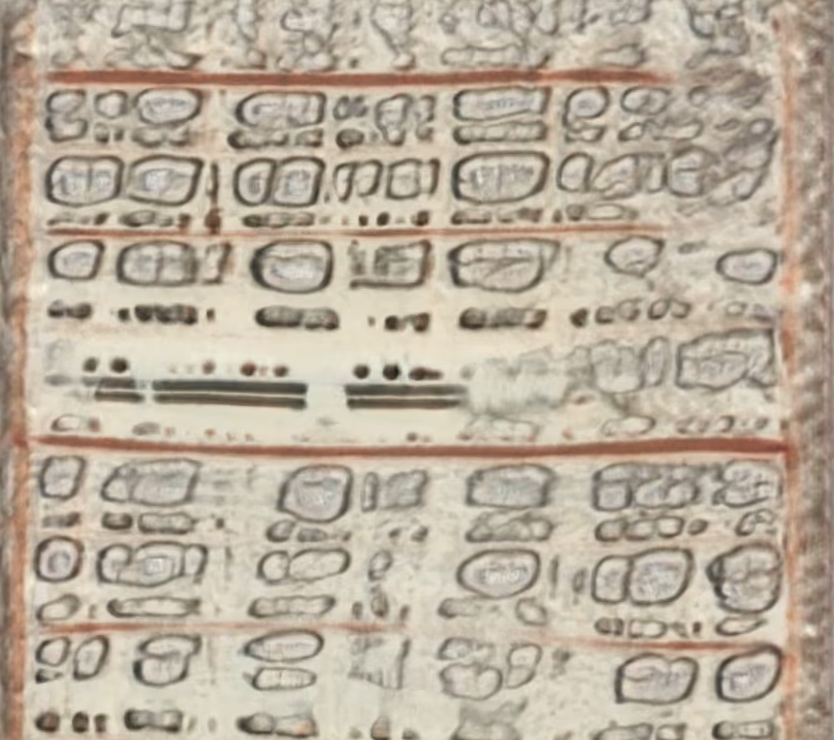
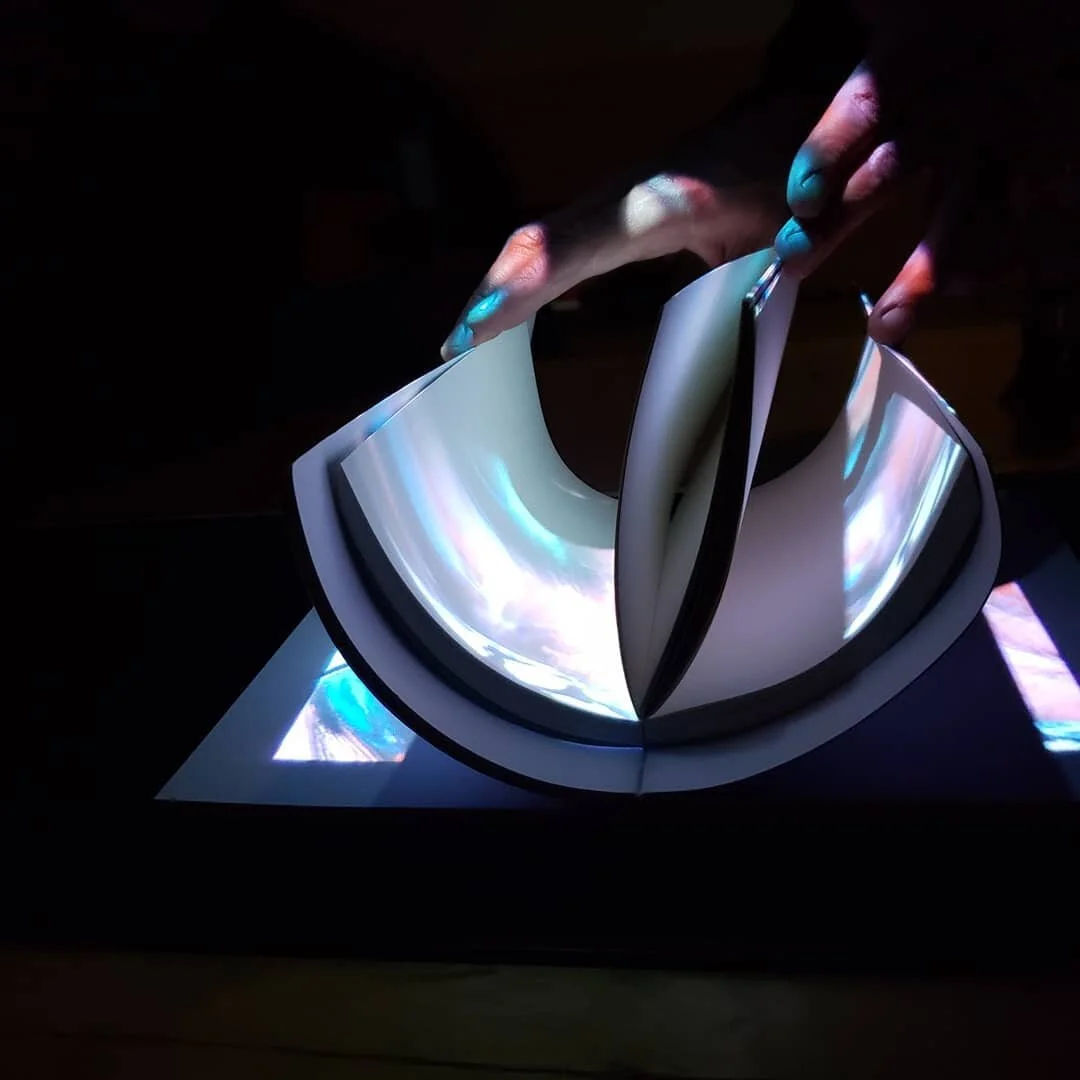
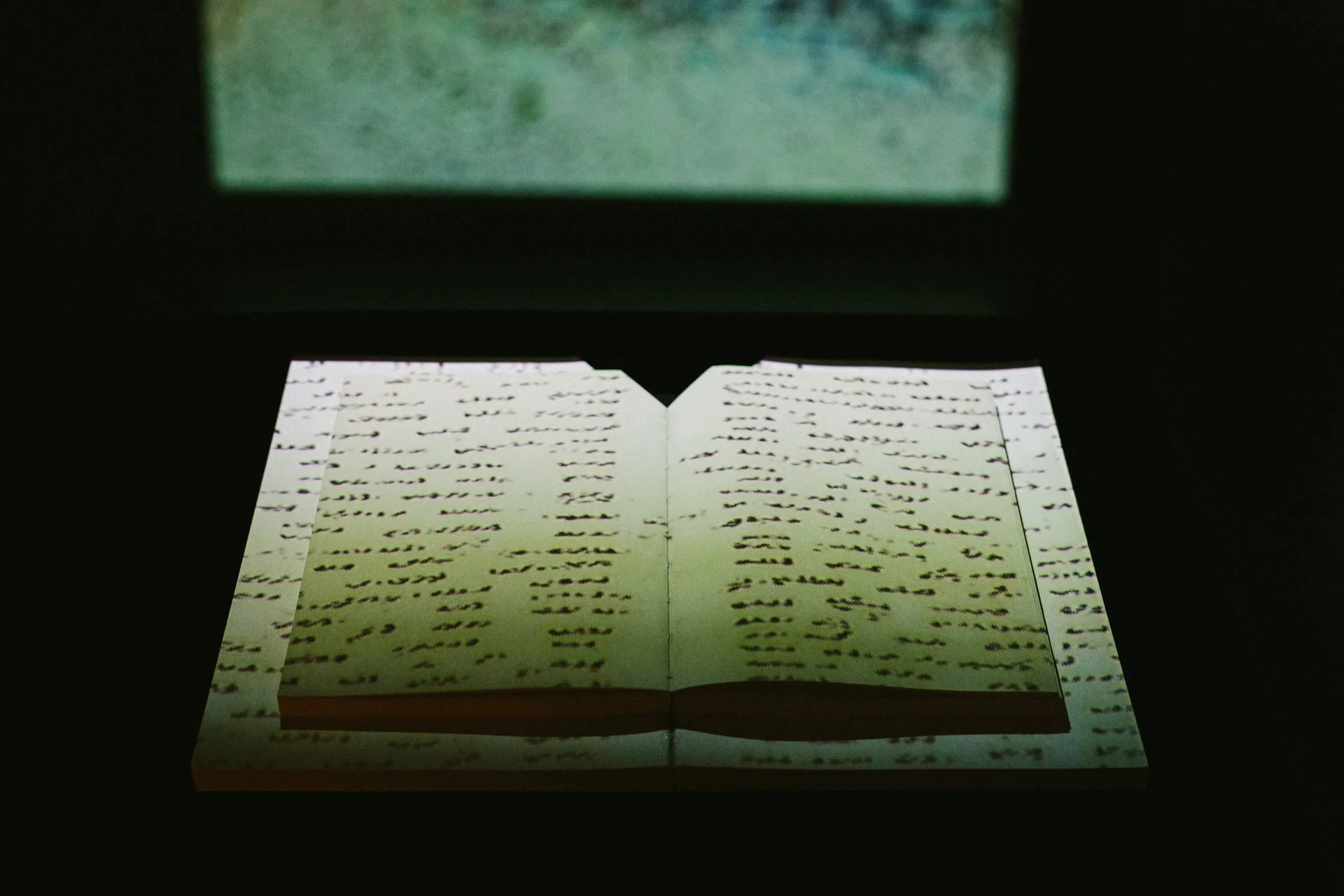
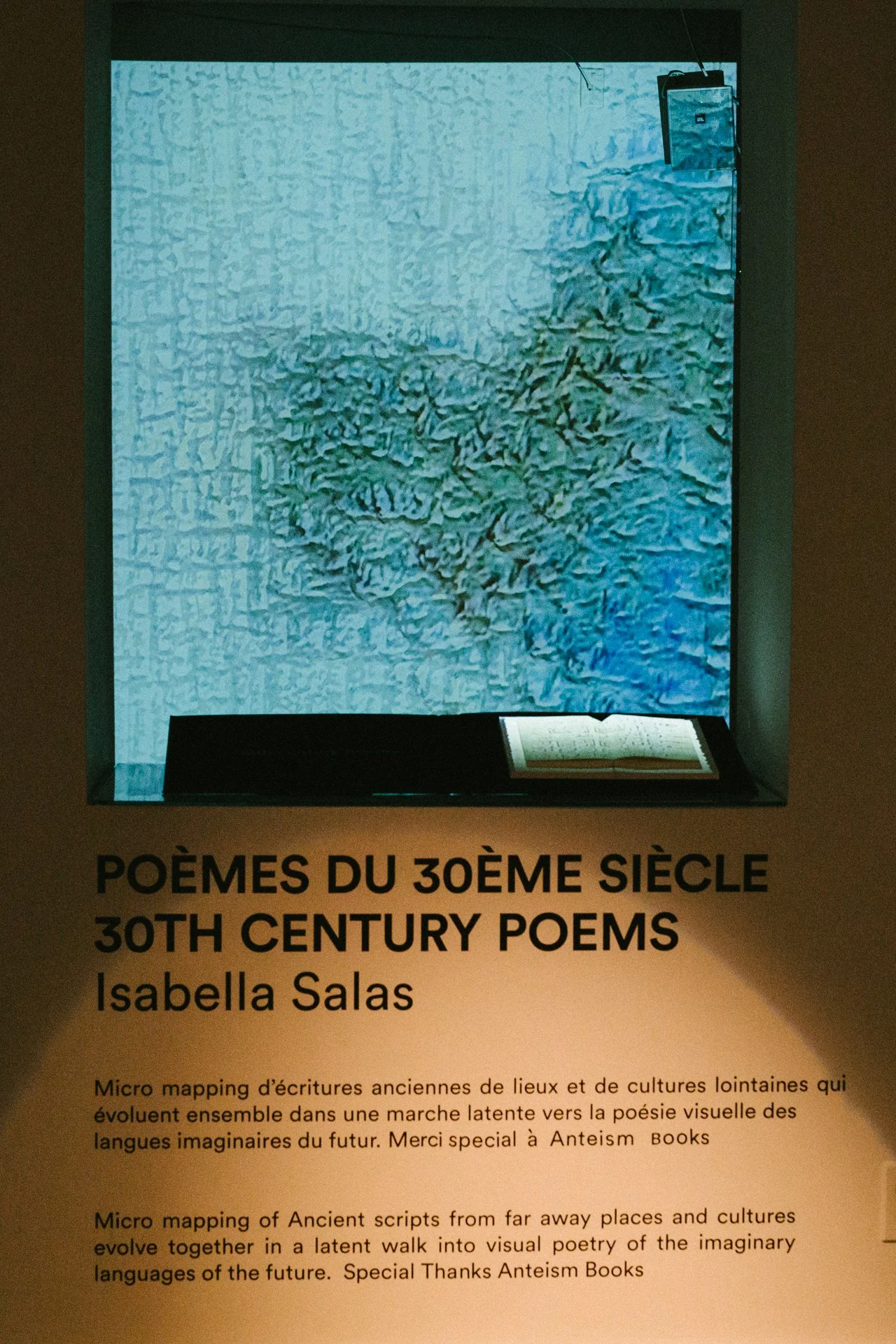
30th Century Poems unfolds as a micro-mapping video installation that brings Mayan and Persian alphabets into dialogue, unsettling computer vision’s capacity to parse languages outside the Western canon.
The work situates itself within the blind spots of algorithmic logic, revealing how archives continue to encode power.
This chapter engages the Dresden Codex , a Maya manuscript acquired in Vienna in 1739 by Johann Christian Götze, now held in the Saxon State Library in Dresden. Classified by the institution itself as “a cultural asset from a colonial context,” the codex remains abroad, sold into European custody, never ceded by source communities, and never returned to Mexico. It exemplifies how colonial displacement persists as cultural absence.
Through this project, Isabella Salas seeds unseen datasets into machine learning as a gesture of resistance.
The work purpose is to confront the insidious colonization embedded in search engines and AI-driven archives, where exclusionary logic erases languages, identities, and cultural legacies, casting them into the void of big data’s forgetting machine.